Español
 Deutsch
When pet parents shop for fun products for their furry companions, Plastic Cat Toys often catch the eye due to their vibrant colors, interesting shapes, and perceived durability. As a Pet Toys Supplier, we at Wenling Xinhe Hanghua Pet Products Co., Ltd. know that many cat owners are curious about whether plastic toys are genuinely safe or if they might pose hidden risks to cats’ health. This concern isn’t random—there are several material-related issues that cat lovers frequently encounter on search engines and in online discussions.
What Makes Plastic Toys Popular?
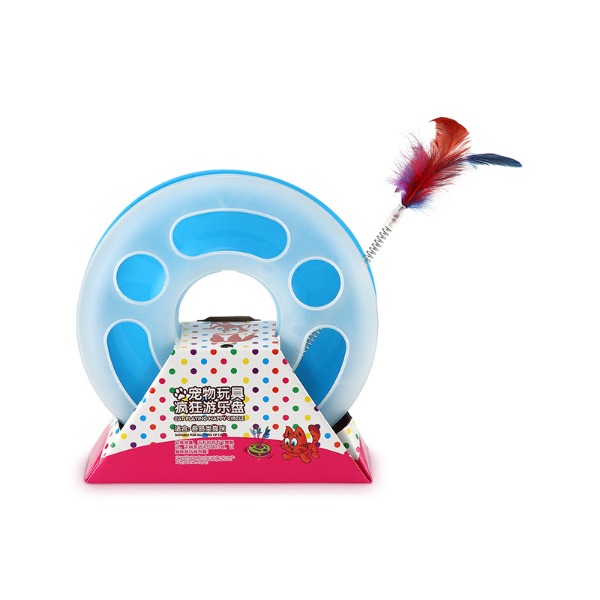
Plastic has long been a go-to material for toy makers because it is easy to mold into engaging shapes, lightweight, and inexpensive to produce. Many toys like balls, treat dispensers, and interactive puzzles incorporate plastic elements. These toys can provide valuable mental stimulation and physical activity for indoor cats, helping prevent boredom and unwanted behavior.
However, just because plastic toys are prevalent doesn’t automatically mean they’re risk-free. Understanding the nuanced safety considerations can help pet owners make more informed decisions.
How Can Plastic Toys Affect a Cat’s Health?
1. Chemical Exposure from Plastic Additives
Some plastic toys contain chemical additives such as phthalates or bisphenol-A (BPA). These substances are used to make plastic flexible or durable, but they’re not always chemically bound within the toy. Research shows that such chemicals can leach into a cat’s gums and be absorbed, particularly during chewing or prolonged mouthing activity. Over time, this exposure might interfere with hormone systems or contribute to other health issues in pets.
Cats are closer to the ground and may have more contact with microplastics or chemical residues simply during everyday play—especially if the toy breaks down over time. Being aware of this risk helps pet owners exercise caution in their toy selection.
2. Risk of Physical Injury
Plastic toys that break or crack during play present another set of concerns. Sharp edges or small fragments can pose a choking hazard or even cause cuts to a cat’s mouth or gums. Pieces small enough to be swallowed can cause intestinal blockages, which might require veterinary intervention.
Cats have rough tongues designed for grooming and tearing, so even toys that seem sturdy can be damaged more quickly than you expect. That’s why checking toys regularly for signs of wear and tear is vital for preventing unintentional injury.
What Do Cat Owners Often Notice?
Some pet parents have reported worries about unpleasant odors from newly purchased plastic toys, possibly due to manufacturing residues or chemical coatings. These reactions can cause hesitation or concern about long-term safety and comfort for their pets.
Other cat owners notice their pets chew on non-toy plastic objects such as plastic bag handles or packaging materials. This behavior can be especially dangerous because these unintended items are not designed with pet safety in mind and may break or splinter easily if ingested.
How to Better Evaluate Plastic Toys
For concerned pet owners, here are practical questions to help assess whether a specific plastic toy is appropriate:
- What material grade is used? Toys made from BPA-free or food-grade plastics are generally safer than generic, unregulated plastics.
- Is the toy durable enough for your cat’s play style? If your cat is an aggressive chewer, look for toys rated for “heavy play” to reduce the risk of breakage.
- Are there any small, detachable parts? Loose pieces like buttons, eyes, or glitter components increase swallowing and choking risk.
- How does the toy feel and smell? Odd odors or rough textures can signal the use of low-quality materials.
Taking a thoughtful approach when examining these factors can reduce risks and promote more enjoyable playtime.
Alternative Material Considerations
While plastic toys remain widely used, some pet owners explore options with other materials:
- Rubber or silicone toys that are softer and less likely to splinter.
- Fabric toys that can be reinforced and stuffed safely for gentle play.
- Interactive toys with replaceable parts to maintain integrity and reduce wear.
These alternatives might be worth considering, especially for cats that tend to chew different textures or have already shown interest in non-plastic objects.
Are plastic cat toys safe for your pet? The simple answer is: it depends on the quality and composition of the toy, as well as how your cat interacts with it. Plastic toys can offer interactive fun and mental stimulation, but they aren’t without potential chemical and physical factors that deserve thoughtful consideration. As a responsible Pet Toys Supplier, Wenling Xinhe Hanghua Pet Products Co., Ltd. encourages pet parents to choose products with safer material standards, inspect toys regularly for damage, and always observe how their cats play.
Making informed choices today can help ensure that playtime remains both fun and healthy for your beloved companions.