Español
 Deutsch
Keeping pets healthy involves more than just feeding them on time. Clean water is crucial for their overall well-being, and a Pet Water Drinker plays a central role in providing it. While many pet owners invest in automated or gravity-fed waterers, the cleaning frequency is often overlooked, which can cause bacterial buildup, unpleasant odors, or even health issues for your furry companions. Alongside water, proper feeding routines using a Pet Food Feeder ensure balanced nutrition and minimize the risk of contamination. Wenling Xinhe Hanghua Pet Products Co., Ltd. has observed that some pet owners are unaware of how critical regular cleaning is for both water and food dispensing systems.
Understanding the Risks of Dirty Water
Bacteria, algae, and mold can accumulate quickly in water containers, especially during hot weather. Common concerns users raise include:
Pets drinking cloudy water
Foul odors coming from the water dish
Skin or gastrointestinal issues in pets
By maintaining a cleaning routine, these risks can be significantly reduced. Users have suggested that pet water drinkers left unwashed for more than a few days tend to develop biofilm—a slimy layer of microorganisms—which not only affects taste but may also compromise pet health.
Recommended Cleaning Frequency
While there is no one-size-fits-all rule, industry guidance and feedback from pet owners indicate the following:
Daily Rinse: Empty leftover water daily and rinse the container to prevent buildup.
Weekly Deep Clean: Wash the waterer with mild soap or pet-safe detergent and scrub all surfaces.
Monthly Inspection: Check for scratches or wear in plastic or metal containers where bacteria can hide.
Automatic Pet Water Drinkers with detachable reservoirs make this process simpler, reducing effort and encouraging more consistent hygiene practices.
Cleaning Techniques for Pet Food Feeder
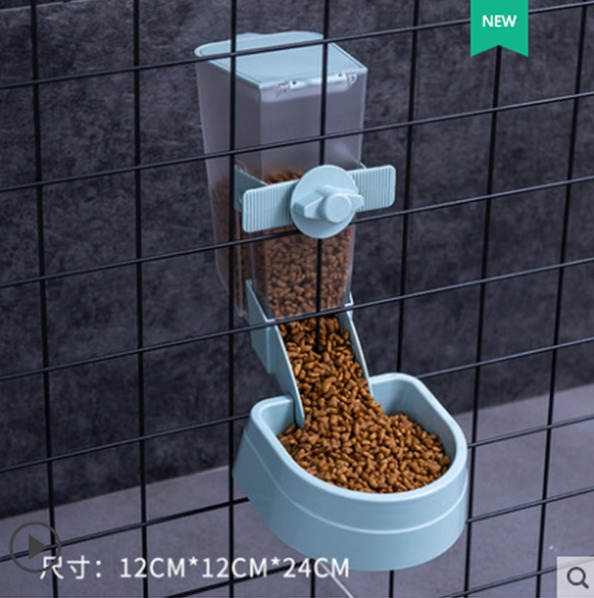
Although the main focus is on water, it’s equally important to address food hygiene. Automatic Pet Food Feeders can accumulate crumbs or oil residues that attract bacteria. Users report that cleaning these feeders at least once a week helps prevent mold growth and preserves the taste and safety of pet food. Suggested techniques include:
Disassembling removable parts
Washing trays or bowls with warm water and mild detergent
Ensuring all components are completely dry before reassembling
Wenling Xinhe Hanghua Pet Products Co., Ltd. recommends choosing feeders and drinkers with smooth surfaces and minimal crevices, as these designs reduce the difficulty of cleaning and decrease bacterial hotspots.
Signs That Your Pet Water Drinker Needs Cleaning
Some signs indicate that a waterer needs attention sooner than scheduled:
Water appears cloudy or foamy
Foul smell is noticeable
Pets refuse to drink from the container
Visible slime or algae inside the reservoir
Paying attention to these indicators ensures timely cleaning and prevents potential health hazards. Users have highlighted that even a high-quality Pet Food Feeder cannot fully compensate if the water source is contaminated.
Balancing Convenience and Hygiene
Automatic and gravity-fed water dispensers offer convenience, especially for busy households. However, convenience should not replace routine hygiene. Setting reminders for cleaning and scheduling deep washes can keep your pets safe without compromising your daily schedule. Combining a reliable Pet Water Drinker with a well-maintained Pet Food Feeder ensures pets receive both clean water and fresh food consistently.