Español
 Deutsch
Cats are known for being clean animals, and yet, many owners experience frustration when their cats refuse to use their litter box. The issue of avoidance is one that countless pet owners face, and one that often sparks a search for new modern litter box designs or litter box solutions to help solve the problem. However, understanding the reasons behind a cat's refusal can be more important than simply buying a new box. Several factors play into this behavior, and being aware of them can significantly improve your cat's litter box experience.
1. Dirty litter box: The more common reason for avoidance
The number one reason a cat might avoid using its litter box is simple: cleanliness. Cats have an instinct to stay away from soiled areas, including their litter boxes. If a box is left unclean for too long or if the litter is not changed regularly, your cat might start to find other places to eliminate. Many owners overlook this basic maintenance, not realizing that modern litter box designs, though equipped with features like automatic cleaning, can still be ineffective if cleaning cycles are too infrequent or waste isn’t fully removed.
To prevent this, it’s important to scoop the litter at least once a day, and change the litter entirely once a week. Some litter box solutions even offer self-cleaning features that can make maintenance easier. However, regular upkeep is still essential to maintain a fresh environment for your cat.
2. Uncomfortable litter or box design
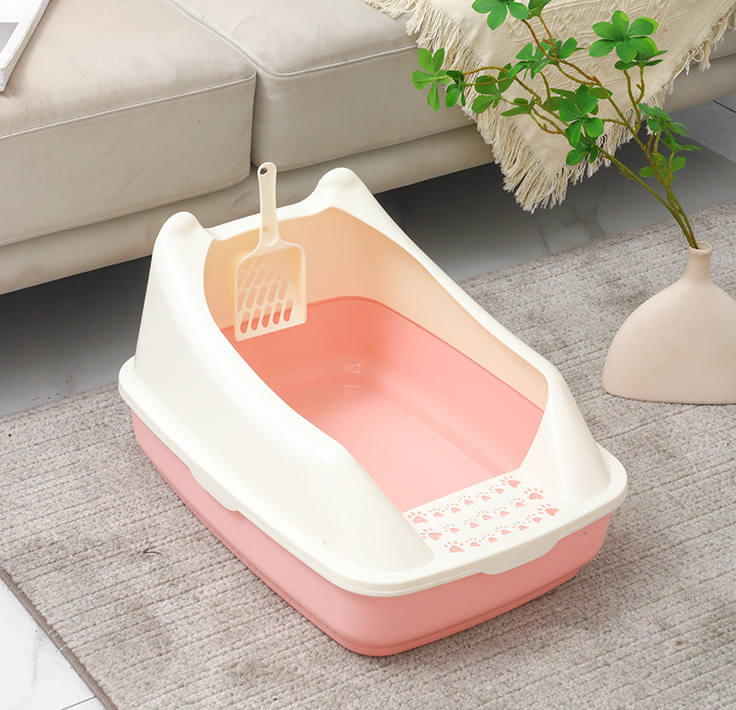
Another reason why cats refuse to use their litter box could be discomfort related to the litter material itself or the design of the box. Some cats are particularly sensitive to the texture of the litter, while others might find a high-sided box difficult to access, especially as they age or become ill. When considering a modern litter box, it’s important to ensure the design suits your cat’s preferences.
A shallow, open box might be more appealing to some cats, while others may prefer a covered box for privacy. Similarly, litter box solutions that feature a gentle, soft litter material (such as clay or crystal-based litters) can be more comfortable than harsher alternatives like silica gel or scented varieties, which some cats find overpowering.
3. Health issues or stress-related avoidance
If your cat suddenly starts avoiding the litter box without any changes to the box itself, it might indicate a health issue. Medical conditions such as urinary tract infections (UTIs), bladder stones, or constipation can cause discomfort during elimination, causing a cat to associate the litter box with pain. Cats are also masters at hiding pain, so it's easy for owners to miss the signs until the behavior becomes a problem.
In cases of sudden refusal, it’s essential to consult with a veterinarian. Health issues should always be ruled out before assuming it’s just a behavioral problem.
Additionally, stress or anxiety can cause cats to stop using the litter box. Changes in the home, like moving to a new house, the arrival of a new pet, or even a new family member, can unsettle a cat and cause them to eliminate outside the box. If your cat is showing signs of anxiety, consider providing them with a more peaceful environment or an additional litter box to reduce stress.
4. Litter box placement
The location of the litter box is another important factor. Cats can be very particular about where they eliminate, and placing the box in a busy or noisy area can make it less attractive. Ideally, the box should be in a quiet, low-traffic area of the house where your cat feels safe and comfortable.
Also, make sure the box is easily accessible, especially for kittens or senior cats with mobility issues. A modern litter box with a low entry point or a step-free design can make it easier for cats to enter, especially for those with arthritis or other mobility challenges.
5. Multiple cats and territorial behavior
If you have more than one cat, the issue could stem from territorial behavior. Cats are naturally territorial creatures, and some may feel the need to stake a claim over the litter box. This is especially common in multi-cat households, where one cat may refuse to use the litter box because another cat has marked it as their territory.
In these situations, it’s essential to provide more than one litter box. A good rule of thumb is to have one litter box per cat, plus an extra one, in different locations around the house. This gives each cat a designated space to use, reducing the chances of territorial disputes.
6. Old or faulty litter boxes
Finally, sometimes the problem can be as simple as the box being old or damaged. Over time, the box may crack, warp, or develop an unpleasant odor that even the more diligent cleaning can't eliminate. If your box is old or difficult to clean, it might be time to consider upgrading to a new modern litter box.
At Wenling Xinhe Hanghua Pet Products Co., Ltd., we understand the importance of a comfortable and functional litter box. Our innovative designs are crafted to provide both comfort and convenience for cats and their owners, with features such as odor control, easy-to-clean materials, and ergonomic designs that can help address many of the issues discussed above.
By addressing these key points, you can restore harmony to your home and help your cat feel comfortable using their litter box again.