Español
 Deutsch
Across aviation maintenance bases, airport ground service providers, and industrial logistics operators, there is a clear shift toward safer, more controlled handling systems for sensitive components. In recent industry discussions and procurement searches, keywords related to secure transport, damage prevention, aviation ground support equipment, and asset protection have been rising steadily. Within this trend, the Carrying Cage has become an increasingly important solution for controlled movement, storage, and protection of valuable or delicate aviation parts during ground operations.
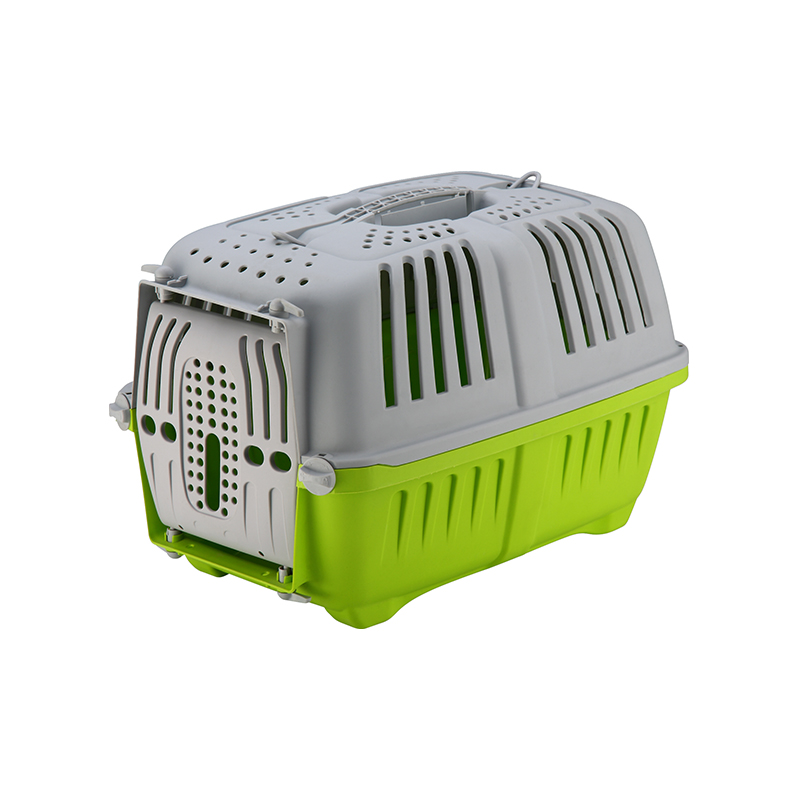
Unlike general industrial containers, aviation-related transport equipment must meet stricter expectations for structural strength, traceability, and operational safety, especially when used in regulated environments such as airports, maintenance hangars, and aircraft component warehouses.
Rising Focus on Damage-Free Transport in Aviation Supply Chains
One of the frequently discussed issues in aviation logistics forums is the prevention of component damage during internal transport. Aircraft parts such as avionics modules, structural assemblies, maintenance tools, and specialized equipment require careful handling to avoid damage that can affect performance and increase operating costs.
As a result, operators are actively searching for solutions that:
- Reduce vibration impact during movement
- Provide enclosed structural protection
- Ensure secure locking during transport
- Prevent accidental contact or dropping
A well-designed carrying cage structure helps reduce handling risks while improving workflow efficiency inside maintenance and warehouse environments.
Safety Compliance and Operational Standardization Are Driving Procurement
Aviation logistics is heavily influenced by international safety and operational standards. Procurement teams are increasingly evaluating equipment based on compliance with internal safety protocols and ground handling regulations.
This has led to growing demand for standardized transport systems that can:
- Integrate into airport ground handling procedures
- Support traceable asset movement
- Reduce human handling errors
- Improve operational consistency across shifts
Standardization is especially important for large airport hubs managing high daily aircraft turnaround volumes and complex maintenance schedules.
Portability and Modular Design in Ground Support Equipment
Recent discussions among ground support engineers highlight a strong preference for modular and portable logistics equipment. Airport environments require frequent repositioning of tools and components between storage areas, maintenance bays, and aircraft parking zones.
A modern transport solution is often designed with:
- Forklift-compatible base structures
- Reinforced mobility frames
- Stackable storage capability
- Quick-access locking systems
This improves operational flexibility while reducing time spent on manual handling, especially during peak maintenance cycles and large-scale servicing projects.
Protection of High-Value Aviation Components
Aircraft maintenance involves handling extremely valuable parts, where even minor damage can advance to costly repairs or operational delays. This has increased attention on protective transport solutions that minimize exposure to impact, dust, moisture, and environmental factors.
Industry buyers are particularly concerned about:
- Structural rigidity under load
- Anti-corrosion surface treatment
- Secure internal restraint systems
- Long-term durability under repeated use
These requirements are driving manufacturers to upgrade welding precision, material selection, and surface protection technologies.
Efficiency Gains in Airport Maintenance Operations
Maintenance teams are under constant pressure to reduce aircraft downtime. Equipment that improves organization and accessibility can significantly streamline daily operations.
By using dedicated transport cages, maintenance crews can quickly locate, move, and deploy necessary equipment while reducing the risk of misplaced assets. This contributes to smoother workflows, improved inventory control, and faster turnaround times for scheduled maintenance activities.
What Professional Buyers Are Asking Before Ordering
As a manufacturer, we have observed several recurring questions from distributors, airport contractors, and aviation service providers:
Can the cage be customized for specific aircraft components?
Many buyers require tailored dimensions for unique equipment and spare parts.
Is the structure suitable for indoor and outdoor use?
Corrosion-resistant finishes are often requested for varying operating environments.
Can the cage be moved by forklift or pallet jack?
Mobility compatibility remains a key purchasing factor.
Does the design support stacking for warehouse optimization?
Efficient storage solutions are increasingly important for space management.
Why Manufacturing Expertise Makes the Difference
Not all aviation transport equipment delivers the same level of reliability. Structural engineering, load calculations, material quality, and production consistency all influence long-term performance.
As a manufacturer, we understand that buyers require more than a basic transport frame. They need equipment capable of supporting demanding aviation environments while maintaining safety, durability, and operational efficiency. A professionally engineered Portable Aircraft Cage can help organizations reduce handling risks, improve logistics performance, and support more efficient aircraft maintenance operations in an increasingly demanding aviation industry.