Español
 Deutsch
When you have more than one cat in your home, questions often arise about how to keep things clean, odor-free, and stress-free for all your furry companions. One core concern among pet owners is whether certain litter box solutions — including a well-designed modern litter box — can genuinely make life easier in a multi-cat household. Many users have shared real experiences online suggesting that while solutions such as automatic cleaning and thoughtful placement can help, there’s no single “magic fix” — success comes from understanding cat behavior and matching the right tools to your situation.
Why multiple cats make litter management more challenging
Cats are naturally territorial, and this personality trait can make litter box arrangements more complicated when several cats share space. The general rule recommended by veterinarians and behavior consultants is one litter box per cat plus one extra, which helps reduce competition and eliminates bottlenecks when multiple cats need to use the box.
If cats feel crowded or stressed when approaching a single box, they’re more likely to avoid it — and in a multi-cat home, the box will also fill up much faster, causing odors and increased avoidance behavior. Additionally, cats may develop preferences for the location or style of the box, meaning some get used more than others. User discussions have highlighted situations where even four boxes went largely unused except in one preferred location, showing that placement and habit can matter as much as the number of boxes.
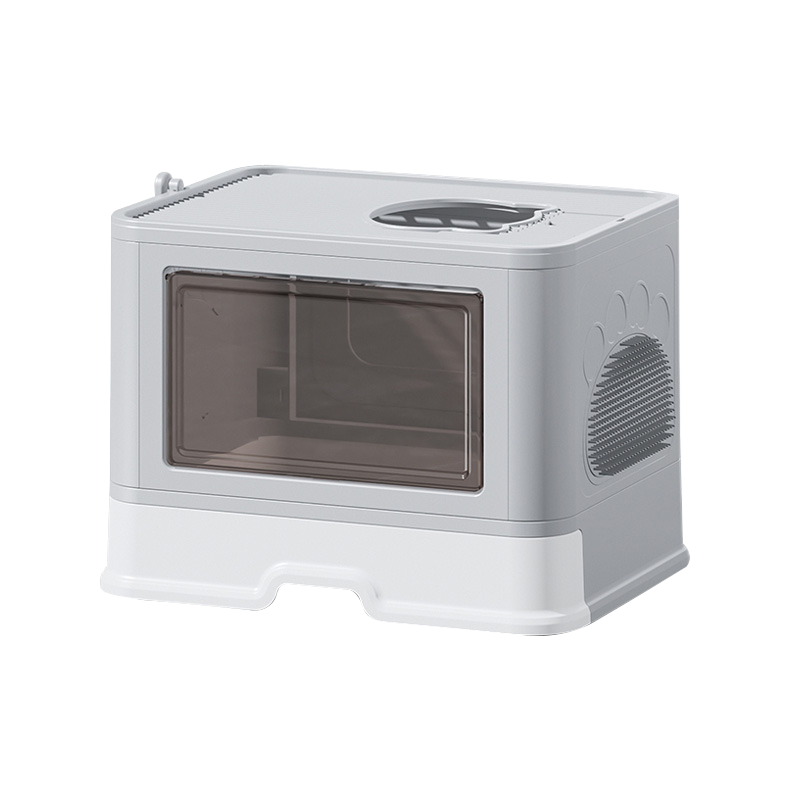
Cleaning routines: the heart of successful litter box solutions
One of the more consistent themes among cat owners who manage multiple cats successfully is diligent cleaning. Just like in single-cat homes, litter boxes must be scooped frequently — ideally twice daily in busy households — and washed with mild soap regularly. This prevents buildup that can deter cats from using their boxes. If litter boxes aren’t clean enough, cats may simply go elsewhere, causing unwanted messes and stress for both pets and owners.
Another practical tip: keep litter depth under about two inches. more cats prefer a certain depth that allows them to dig without instability or discomfort. Too much litter can feel odd underfoot, and too little can cause to missed covering or odor issues.
Choosing the right modern litter box for multiple cats
Selecting the right modern litter box plays a big role in managing a multi-cat environment. Larger boxes with high sides help contain litter scatter and give each cat enough space to turn, dig, and cover comfortably. Some households add enclosed or covered boxes to reduce odors and create a private space, but these can sometimes trap smells or feel too confining for sensitive cats — especially if several cats are using it.
Automatic cleaning features are another frequently discussed solution. These litter box solutions often include sensors that sweep or sift the litter soon after use, removing waste into a sealed compartment. For owners juggling multiple cats, this can reduce manual scooping and help keep waste from accumulating before the next cat arrives. However, not all cats adapt easily to automatic mechanisms, and regular maintenance of the device itself is still essential for performance.
Strategic placement and territory sharing
Cats’ territorial instincts mean that box location matters. Placing all boxes in one room might seem convenient, but it can create social stress if dominant cats try to “guard” the area. Spreading boxes across different quiet, low-traffic parts of the home gives cats choices and privacy, which in turn encourages regular use.
User discussions show that some multi-cat households find success when boxes are placed on different floors or in separate rooms, while others discover preferences based on the sound level or accessibility of certain spots. Observing your cats’ behavior and adjusting accordingly is key to developing an effective arrangement.
Addressing odor and hygiene concerns
Even with multiple boxes, odor can become a concern if waste is not regularly removed. In addition to cleaning routines, some owners enhance odor control by using unscented, clumping litter, or incorporating natural absorbers like a thin layer of baking soda at the bottom of the box. High-quality litter that clumps well can reduce smell and make scooping more efficient.
Regular deep cleaning — fully emptying litter and washing the box weekly — further prevents unpleasant smells and bacteria buildup. In households with many cats, rotating boxes during cleaning ensures that at least one clean option is always available.
Some cats still need individual adjustments
Not all cats respond to every solution the same way. In user reports, some cats ignore extra boxes or prefer one particular box over others, even when others are available. In these cases, patience and observation help determine whether a box needs to be repositioned, replaced, or redesigned for better accessibility.
At Wenling Xinhe Hanghua Pet Products Co., Ltd., we consider these behavioral nuances in our product design, offering modern litter box options that balance size, ease of cleaning, and comfort to help multi-cat homes find workable litter box solutions that reduce stress for both owners and cats.
Yes — thoughtful litter box solutions can help manage a multi-cat household, but the key isn’t a single product: it’s the combination of adequate numbers of boxes, frequent cleaning, strategic placement, and understanding your cats’ individual preferences. By integrating these practices with well-designed litter boxes, many multi-cat environments can become cleaner, calmer, and more harmonious places for both pets and caregivers.